English| EUR
Suggested for you
More currencies
Choose a language
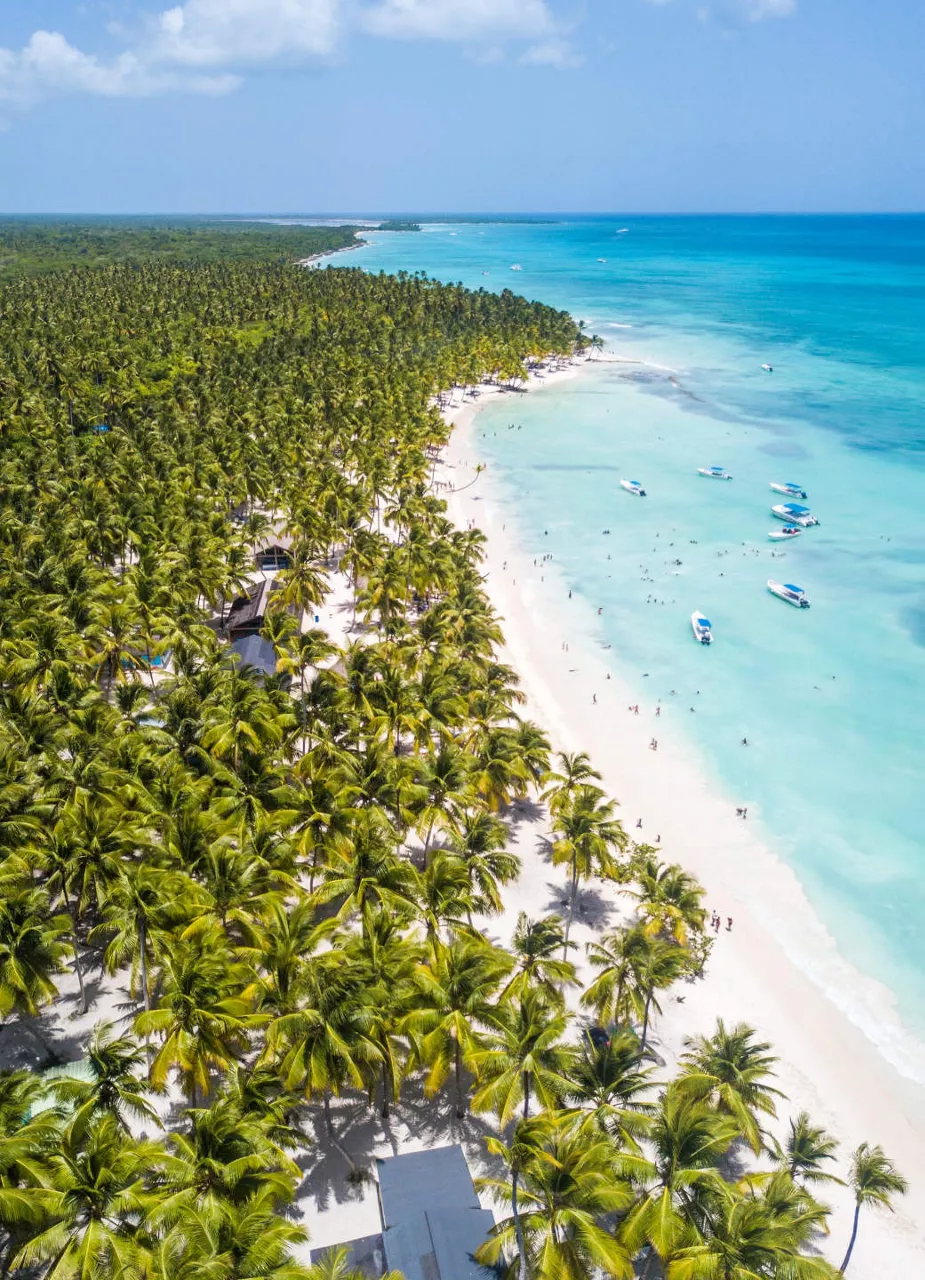
Saona Island sits within Parque Nacional Cotubanamá, fifteen miles off the southeastern coast of the Dominican Republic, accessible only by authorized boat excursion. Because the island has no shops, ATMs, or facilities beyond basic restrooms, what you carry determines your comfort for the seven to eight hours most visitors spend on its sand. This guide walks through the essentials, the recommended extras, and the items that prove unnecessary once you understand how a typical day unfolds.
Quick answer
Pack reef-safe sunscreen, a wide-brimmed hat, polarized sunglasses, water shoes for the shallow-water landing, a dry bag for electronics, swimwear, a lightweight cover-up, cash in small bills, and any prescription medication. Most catamaran tours provide lunch, snorkeling gear, and beverages, so coolers and heavy equipment stay behind. The island operates within a national park with no commercial infrastructure, which means everything you need must come with you from the mainland departure point.
Saona Island receives no commercial resupply during the day. The catamarans and speedboats that deliver visitors each morning also carry every bottle of water, every cooler of lunch provisions, and every piece of safety equipment the day requires. Once the boats depart the dock at Bayahibe or Punta Cana, the island reverts to a protected zone with only park rangers and a small fishing community at Mano Juan, a village most day-trippers never reach. Understanding this isolation shapes the saona island essentials packing strategy. Sun protection ranks first. The Caribbean sun between November and April sits nearly overhead by midday, and the white sand of Canto de la Playa reflects ultraviolet light upward at angles that burn the underside of forearms and chins. Reef-safe sunscreen formulated without oxybenzone or octinoxate protects both skin and the coral nurseries visible in the shallows near the mangrove stands. A wide-brimmed hat that ties or clips under the chin survives the return speedboat ride, when wind speed across open water pulls loose caps into the wake. Polarized sunglasses cut the glare off the turquoise flats and make the starfish visible from the boat during the stop at the natural pool. Water shoes solve the landing problem. Most boats anchor thirty to fifty feet offshore, and passengers wade through knee-deep water to reach the beach. The sand bottom hides fragments of coral rubble and the occasional sea urchin spine, both avoidable with a rubber sole. Flip-flops float away; closed-toe aqua socks stay on. A dry bag the size of a small backpack protects phones, passports, and the cash needed for tipping crew or buying coconuts from the vendors who walk the beach with machetes and straws. The island has no card readers and no currency exchange. Clothing should assume saltwater immersion. A swimsuit that dries quickly, a lightweight linen or synthetic cover-up, and a second dry swimsuit for the return journey keep the ride home comfortable. Most excursions include a stop at a natural swimming pool where the water depth never exceeds four feet, and the catamaran crew distributes rum and coconut while passengers float. A small towel supplements the one provided on the boat. What to bring to saona island becomes less about quantity and more about items that perform more than one function: a sarong that converts from beach blanket to sun shade to modest cover-up for the village stop. Leave the snorkel mask at the resort. Tour operators supply masks and fins included in the excursion fare, and the equipment they carry fits better and stays fog-free longer than the rental-shop versions most visitors pack. A waterproof camera or a phone in a floating case captures the bioluminescent plankton during the return crossing, visible as blue sparks in the boat's wake after the sun drops below the mangroves. Medication, especially seasickness tablets and any daily prescriptions, belong in the dry bag—the nearest pharmacy sits an hour away by boat.
“The island receives no commercial resupply during the day, which means everything you need must travel with you from the mainland departure point.”
Pack light but purposefully—Saona's sun, sand, and boat transfers demand a few island-specific essentials.
The best arrival window for Saona Island is 07:00–09:00. Arriving early allows you to enjoy the island before the main crowds arrive from Punta Cana, which influences the gear you pack for the day.
—
Arrive early to secure space in shaded areas before the midday sun intensifies. Pack light layers and UV protection for these quieter hours.
85°F to 90°F
High volume of visitors makes shade access competitive. Ensure you have high-SPF sunscreen and wide-brimmed hats ready.
80°F to 86°F
Lower visitor numbers during these months provide more beach space. Pack reliable rain gear alongside standard sun protection.
Verdict: The optimal time for your visit is Tuesday to Thursday, arriving between 07:00–09:00 during the months of April or October.
Saona Island is located within the Parque Nacional Cotubanamá in the Dominican Republic, accessible primarily by maritime transport from the mainland. Most visitors reach the island by departing from the coastal town of Bayahibe via authorized boat excursions.
Speedboat from Bayahibe to Saona Island
Catamaran from Bayahibe to Saona Island
Drive to Bayahibe via Autopista del Coral
The best arrival window is 07:00–09:00. Arriving early allows you to enjoy the island before the main crowds arrive from Punta Cana.
Saona Island sits within Parque Nacional Cotubanamá, a protected marine reserve where visitor conduct directly affects coral reefs, seagrass beds, and nesting sites. Follow leave-no-trace principles to preserve the ecosystem for future travelers.
Access to Saona Island is managed through authorized boat excursions. There are no standalone entry tickets required for visitors.
Verdict: A typical adult pays 0 USD for park access, with total costs depending solely on the selected tour package and personal spending.
Saona Island operates daily to accommodate visitors arriving by boat. These standard hours help you determine the amount of supplies, such as water and snacks, to pack for your day trip.
Everything you need to know about what to bring to saona island
When considering what to bring to saona island, prioritize sun protection like high-SPF sunscreen, sunglasses, and a wide-brimmed hat. A waterproof bag for your electronics and a change of clothes are also recommended to keep your gear dry and comfortable. Lightweight, breathable clothing and comfortable swimwear are ideal for the tropical climate.
There is no separate entrance fee, as the cost is included in the price of authorized boat excursions. When planning what to bring to saona island, remember that your pre-arranged tour covers access to the national park area. Ensure you have your booking confirmation details ready for your operator.
The best arrival window is 07:00–09:00 to enjoy the pristine shores before the main crowds arrive from Punta Cana. Planning your schedule around this time allows for a more relaxed experience at the destination. Early transit is a common tip for those researching what to bring to saona island and how to optimize their visit.
The park is open daily from 07:00–18:00 to accommodate visitors arriving by boat. These consistent daily hours apply throughout the week, including weekends. Plan your travel itinerary to align with these operating windows to ensure a full day of exploration.
For a catamaran tour to Saona Island, bringing a snorkel set can enhance your experience in the clear Caribbean waters. You should also pack a beach towel and secure footwear if you plan to explore beyond the sandy beach areas. Carrying these items in a light daypack makes your travel between the boat and the shore much easier.
While many tours are all-inclusive, keeping a small amount of local currency or USD is helpful for optional tips or local artisan purchases. Do not bring large amounts of cash, as most excursion services include meals and drinks. Carrying a reusable water bottle is also a practical choice for hydration throughout the day.
Most organized excursions provide meals and beverages as part of the tour experience. You should verify your specific booking details to see what is included in your package. Bringing light snacks can be useful if you have specific dietary preferences or travel with children.
The destination is located within the Parque Nacional Cotubanamá, La Romana, Dominican Republic. This protected area is the main arrival point for all visitors and authorized boat tours.